TODAY, in an era of endless bucket lists, where the primary goal of travel is often to accumulate check-ins at various locations as quickly as possible, a philosophy has emerged that offers a way out: Slow Travel.
This philosophy is not about speed of movement, but about speed of experience. It encourages us to resist the temptation of hopping between cities and instead, choose to stay longer, breathe more deeply, and truly experience the places we visit.
Quality Over Quantity
The essence of Slow Travel is a focus on quality, not quantity. Just imagine you spend seven days in Sanur, Bali. With a traditional travel style, you might spend your time rushing to visit the Sanur Beach, the Bali Museum, strolling down the Denpasar Heritage City, and then rushing to resume to your next destination. The result? Great photos, but hazy memories and a tired body.
With Slow Travel, seven days in Bali might be spent staying in just one small neighborhood (arrondissement). You’ll have time to:
• Get to know the owner of the local café where you eat breakfast every day.
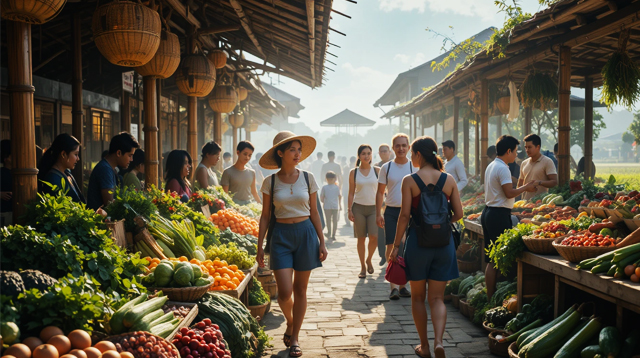
• Visit the local farmers market and try cooking with local fresh ingredients.
• Spend hours in one museum, contemplating one or two works of art, rather than rushing through hundreds.
This approach transforms you from simply an observer becomes an active participant in local life.
Achieving Mindful Exploration
Slow Travel goes hand in hand with Mindful Exploration. When we slow down, we force our senses to notice small details that are often overlooked.
It’s about noticing:
Sounds: The strains of traditional music drifting from a local’s window, not just the sound of a horn.
Smells: The aroma of spices at a wet traditional market, not just the smell of fuel.
Taste: Enjoying food prepared with love at a small food stall, not just touristy fast food.
By removing the pressure to “see it all,” we open up space for deeper, more authentic experiences. You begin to understand the daily rhythms of a place: when it’s busy, when it’s quiet, and what really matters to the locals.
More Than Just a Vacation, It’s a Lifestyle
Adopting Slow Travel also has significant benefits for your personal life:
• Reduced Stress: There’s no pressure to stick to a rigid schedule. You have ample free time to adapt to unexpected changes (like local ceremonies in Bali, for example) without feeling disrupted.
• Community Support: By staying longer, you’re more likely to choose local accommodations (homestays) and buy from small vendors. This means your financial contribution goes more directly to the community, making it a more ethical and sustainable form of travel.
• Authentic Connections: The relationships you build with locals become more than just transactions. They might invite you to family events, or show you hidden gems not listed in guidebooks.
Ultimately, the goal of Slow Travel isn’t to see many places, but to understand one place better. Travel becomes a moving meditation, an opportunity to experience, rather than simply pass through, the world around us.
If you want to return from vacation feeling enriched, inspired, and truly connected to your purpose, it might be time to hit the pause button on your next adventure. (*)