AWAY from the hustle and bustle of the city, visiting zoos offer more than just viewing animals from behind a fence. One of the most interactive and memorable experiences for children, and a major attraction today, is deer feeding.
This activity isn’t just an Instagrammable photo opportunity, but also a profound educational adventure, especially for children. Through this interaction, they can learn about nature, conservation, and foster empathy for living creatures.
An Alluring Tourist Attraction
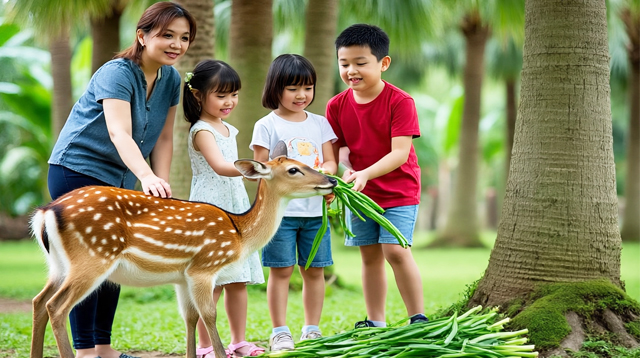
Deer areas are often designed to resemble their natural habitats, complete with expansive green or sandy meadows. Visitors can stroll leisurely among the freely roaming deer, creating an intimate and personal atmosphere. Some zoos offer feeding activities, like deer feeding. Imagine the beaming faces of children as they hold grass, carrots or kale and slowly approach a herd of deer.
The friendly deer, accustomed to human presence, will approach calmly, sometimes craning their long necks to take food from your hand. This moment is a major attraction because it offers a completely different experience than simply observing. It’s a rare opportunity to touch, feel, and interact directly with animals, a sensory experience hard to find elsewhere.
Benefits for Children
Deer feeding is not only fun but also packed with important lessons. For children, this experience is a great way to learn through play. First, they learn about basic deer biology. Guides or staff will usually explain the types of food safe for deer (carrots, special pellets), how deer feed, and why this type of food is important for their health.
Children will observe firsthand how deer calmly chew their food, teaching them about the feeding and digestive cycles of herbivores.
Furthermore, deer feeding teaches empathy and caring. When children see deer approaching to feed, they feel an emotional connection. They learn that animals also have basic needs like food and comfort.
This experience helps foster a sense of responsibility and compassion. They realize that small actions like feeding can make a difference to other living creatures. This is an important foundation for developing a character that cares for others and the environment.
Valuable Conservation Lessons
Behind seemingly simple activities, there are profound conservation messages. Modern zoos play a vital role in conservation efforts. Through deer feeding programs, zoo administrators often provide education about the importance of preserving deer’s natural habitats.
They can explain that deer populations in the wild are threatened by poaching and forest destruction. By seeing the well-cared-for deer at the zoo, visitors gain a better understanding of the need for these animals to be protected.
Guides can also explain how funds from ticket sales and food go toward animal care, breeding programs, and research. Thus, every carrot pellet given by children is not just food, but also a tangible contribution to the survival of the species. This teaches the concept of conservation in a practical way: that everyone, even through small actions, can be part of the solution to protecting nature.
An Unforgettable Experience
Ultimately, deer feeding at the zoo is the perfect combination of recreation and education. It creates sweet memories that involve direct interaction with nature, away from screens.
This experience helps children (and adults alike) reconnect with the animal world, fostering a sense of respect, and recognizing our vital role in preserving the planet. So, if you’re looking for an adventure that’s not only exciting but also meaningful, don’t miss the opportunity to feed deer at your local zoo. Who knows, a brief interaction with a friendly deer might just be the start of a lifelong love of wildlife. (*)